Diekirch Beer, another reason to love Luxembourg
As we finished up our visit at the German cemetery in Sandweiler, we discussed with Daniel how best to spend the afternoon. It was lunch time, and we were ultimately heading up to Clervaux to check into our next hotel. In our e-mail exchanges before our trip, Daniel had suggested that we might want to include a visit to the National Museum of Military History in Diekirch. Since it was on the way to Clervaux, it seemed logical to go to Diekirch where we could grab some lunch and then hit the museum.
This turned out to be a great plan. The Diekirch Museum is arguably the best Battle of the Bulge museum in the area. While other museums have sold off their original collections and replaced them with copies to raise money, the museum at Diekirch has 100% authentic equipment on display, and their collection is huge. They are located in the former brewry of Diekirch Beer.
Diekirch Beer, another reason to love Luxembourg
The exhibits seem to go on forever. In addition to amazing equipment and vehicle displays, they also have stunning dioramas showing life-like scenes from the winter of 1944-45. Unfortunately, my camera was malfunctioning, but I asked my sons to take some photos of some of the more important exhibits.
Perhaps the most touching was this Thanksgiving diorama showing soldiers of the 28th Infantry Division, Pennsylvania's "Bloody Bucket" Division:
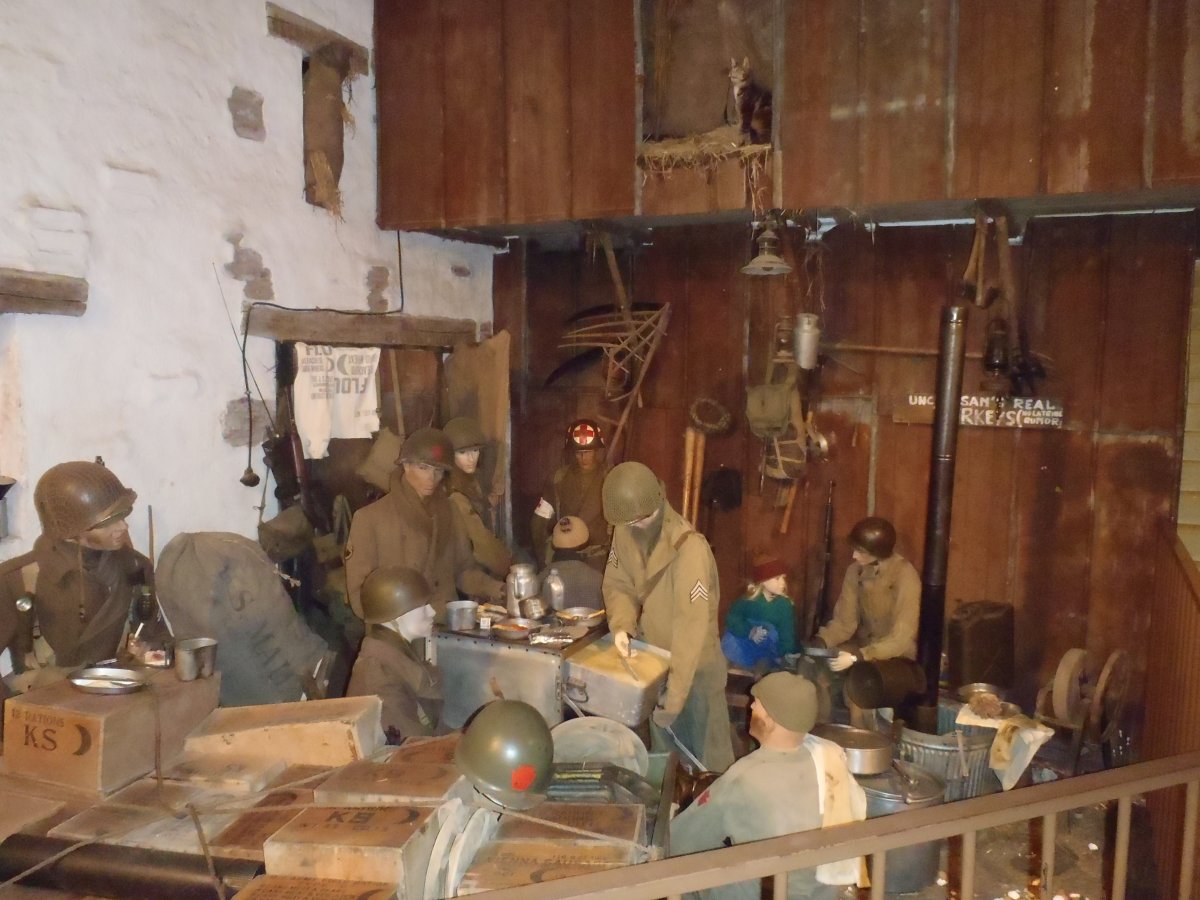
The most important figures in this diorama are almost lost along the far wall -- two Luxembourg children, both holding chocolate bars given to them by soldiers of the 28th Infantry Division.
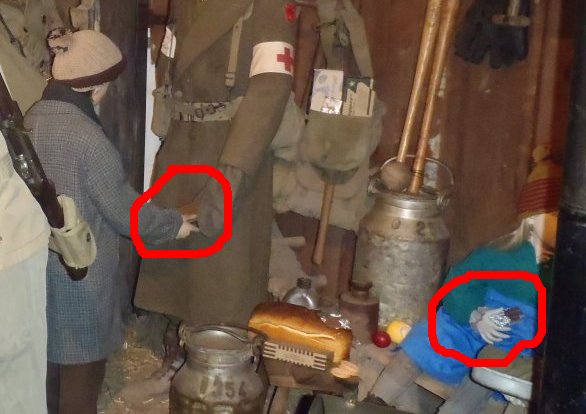
This iconic scene holds special significance and memories for a generation of Luxembourgers. Daniel says that he has witnessed museum visitors who lived through scenes like this when they were children leave the display with tears in their eyes.
Other dioramas present realistic depictions of actual combat events.

These few photos don't even begin to do justice to this fine museum. After two or three hours, we felt that we had covered many of the exhibits in only a cursory fashion. And still there was more on the upper floors. This is where the exhibits devoted to the Luxembourg military are located. And this is where I learned about Tambow.
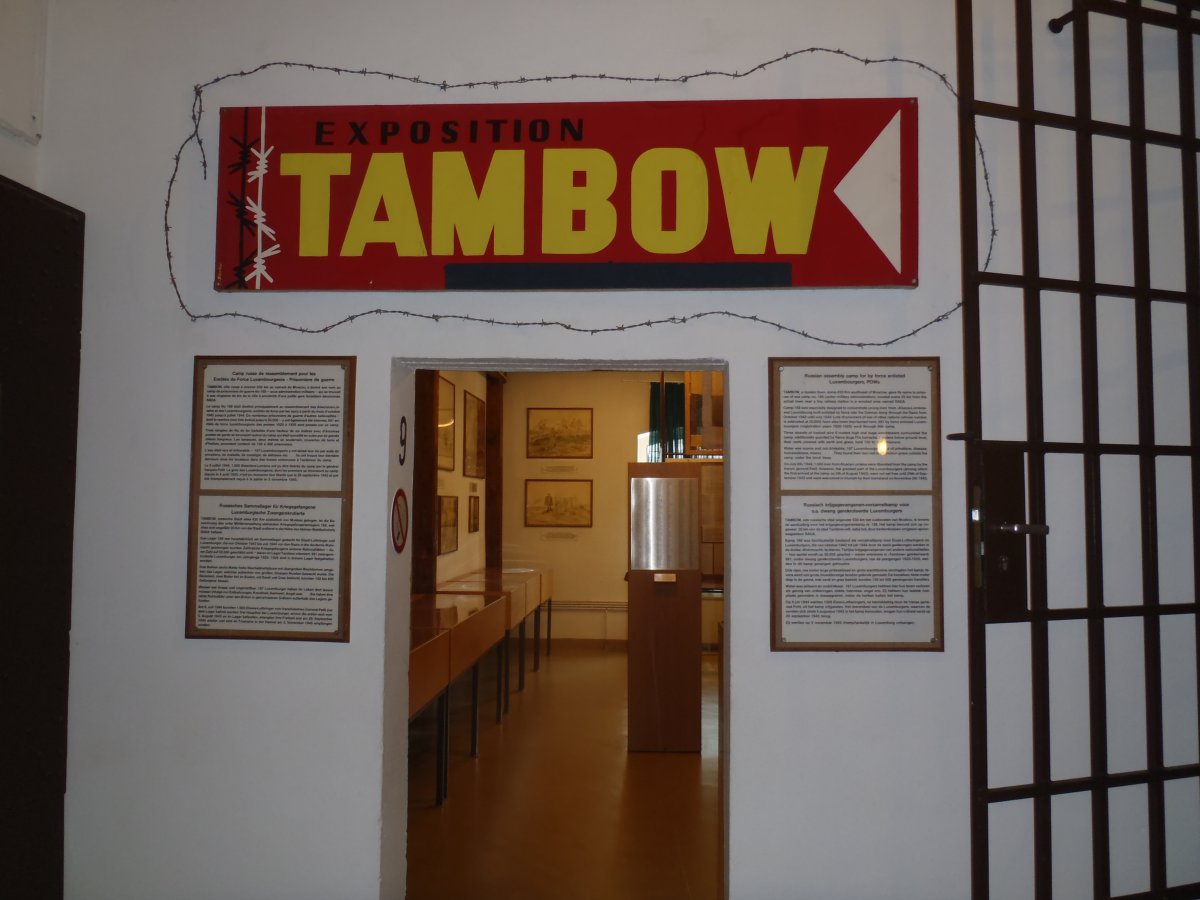
Tambow is one of those WW II tragedies that deserves to be known by every student of the war, but which gets crowded out by all the other tragedies of that conflict. Tambow was a Russian POW camp -- really more of a concentration camp--where many Luxembourgers wasted away, many to their deaths. How did this happen?
When Luxembourg was occupied by Germany, it was given a civilian, not a military, government. Like a couple of regions of France and Belgium which bordered Germany, Luxembourg was deemed by the Nazi's to be a part of the Reich, and their citizens were deemed to be German citizens. This meant that young Luxembourg men were conscripted to serve in the German army. Most of these were sent to serve on the eastern front, where those who weren't killed often tried to desert and surrender to the Soviets. When these conscripts tried to explain that they were serving against their will in the German army, the Soviets weren't interested. They were wearing German uniforms, and as far as the Soviets were concerned, they were Germans. They were sent to the Tambow POW camp, a hell hole 450 kilometers southeast of Moscow.
Those who didn't die in the camp had to wait for months after the war to be released. The reason for this delay is a story in itself, and should be told by a Luxembourger, not a foreigner like me since it touches on internal politics. I strongly urge everybody that has the opportunity to learn more about Tambow and the men who were incarcerated there to do so.
After leaving the museum, we returned to the center of Diekirch for ice cream, and then got in our cars for the final ride to Clervaux.
Clervaux has special significance to Sixers for several reasons:
We stayed at the Hotel Koener, where many Sixers (including General Grow in the 1950s) have stayed.

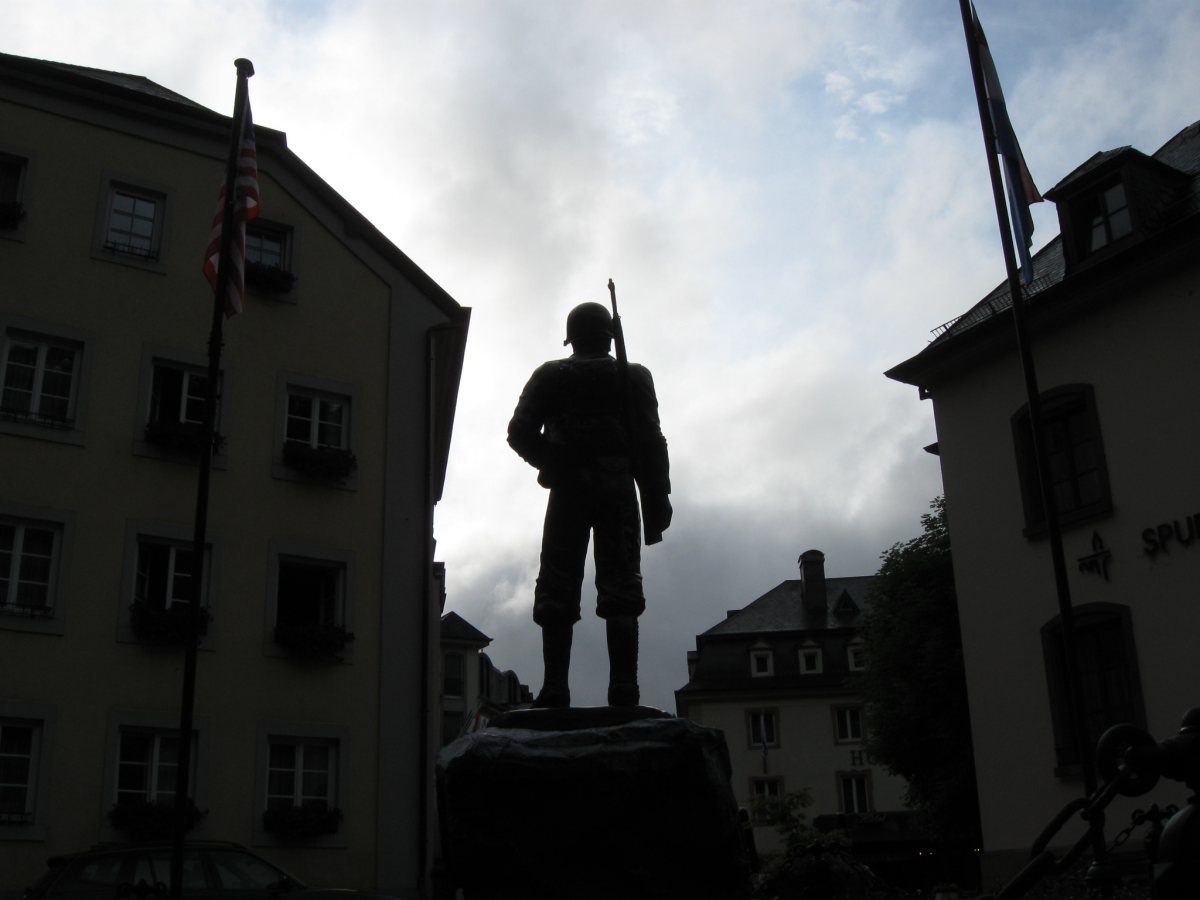
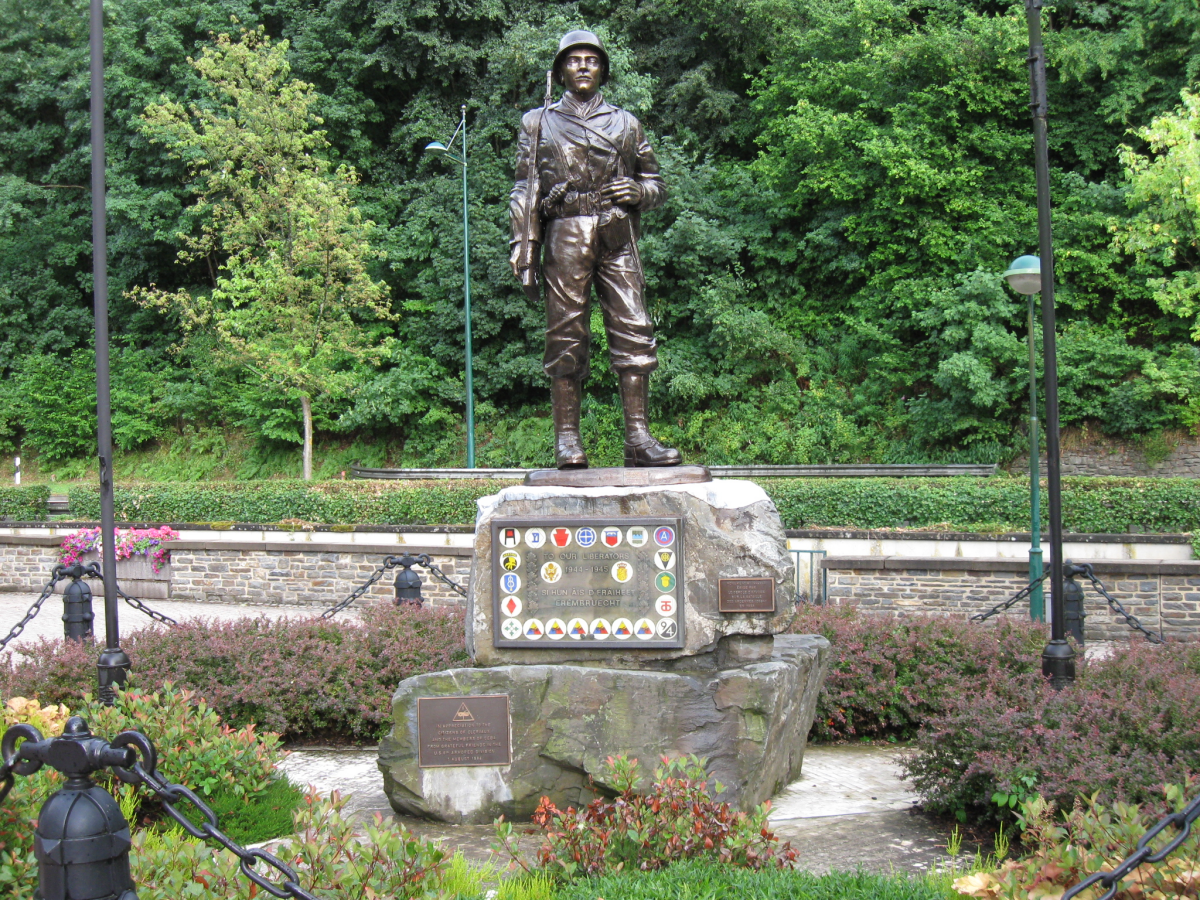
Right next to the hotel is a touching memorial honoring the American units that fought in Luxembourg.
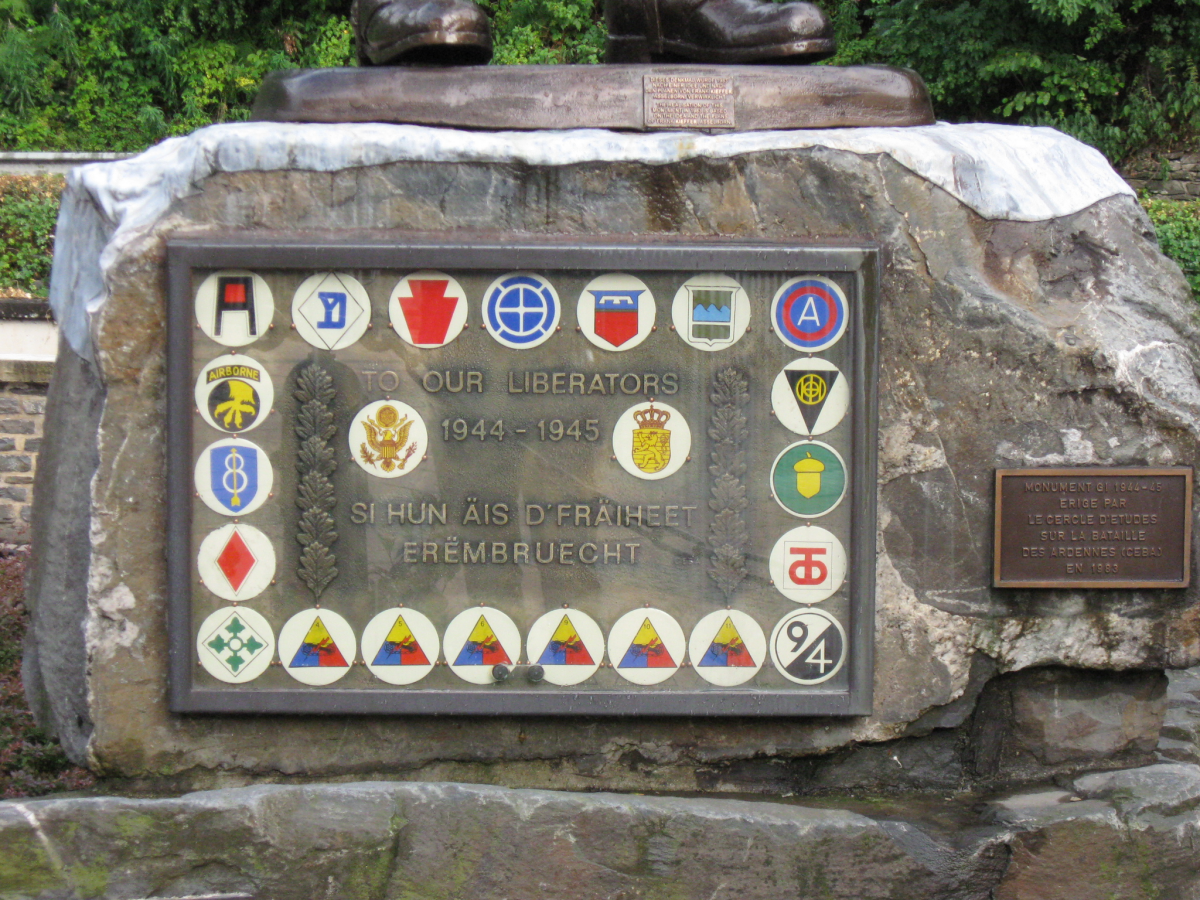
Here is a close-up of the plaque listing all of the Divisions being honored:
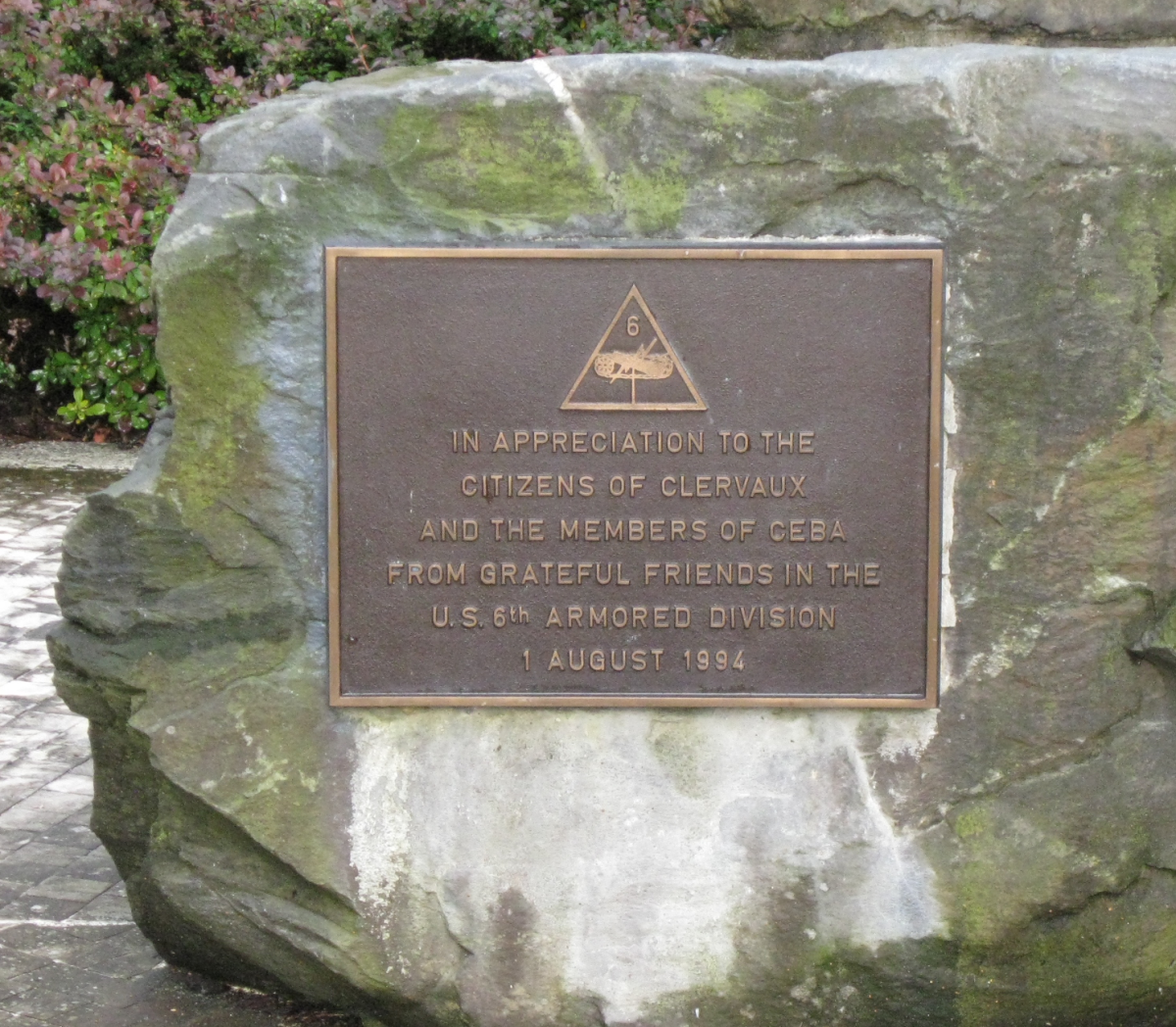
And here is a close-up of a plaque dedicated by the Sixth Armored Division Association in 1994, to the people of Clervaux.
I was so taken with this monument, that it wasn't until my second visit to it that I saw a related sculpture mounted on the building next to it. Judging from the number of images on the web showing just this statue without its partner, I bet a lot of other people miss it, too. If you stand to the right of the statue and look up, you see this:
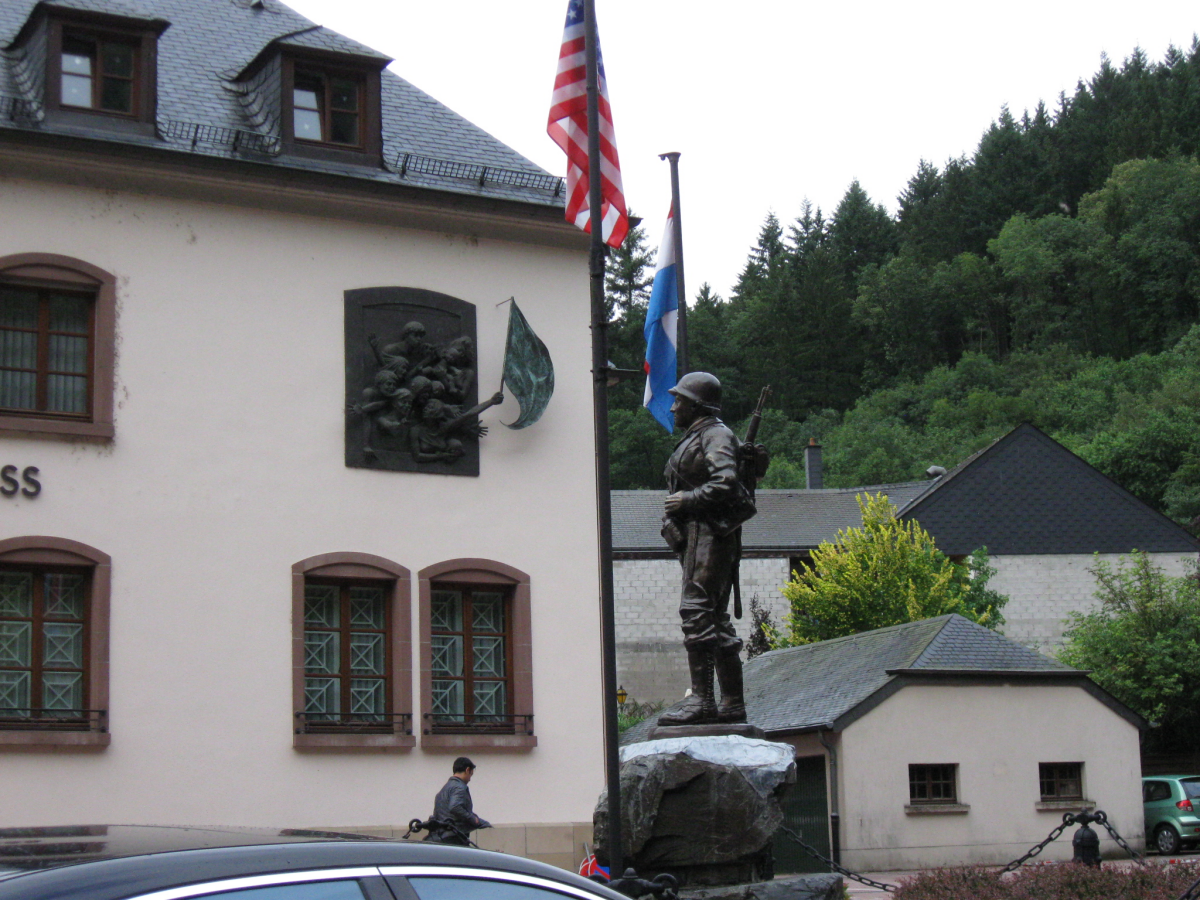
Here is a close-up:
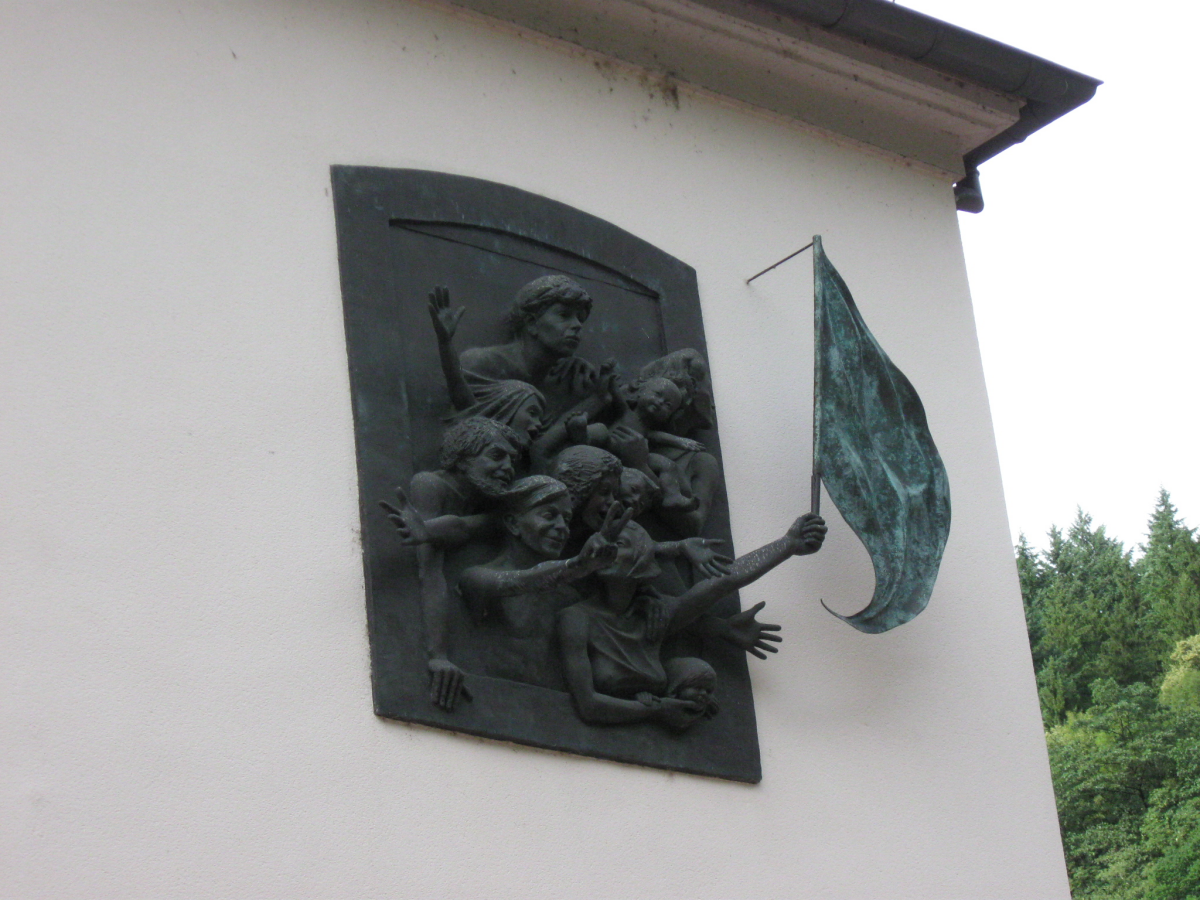
I have several photos from Association newsletters showing the dedication of these mounments, and of visits by Sixers. Before I'm done, I plan to do another series of "then & now" photos showing the various Sixer monuments and plaques that we visited, and the photos from their commemorations.
On Wednesday night we had dinner with Daniel in the Hotel Koener dining room, and then we called it a night. Our first full day in Luxembourg was over, and Daniel agreed to meet us at 9 AM the next morning for Day 2: following the Super Sixth's path from Bastogne to the Our River.